
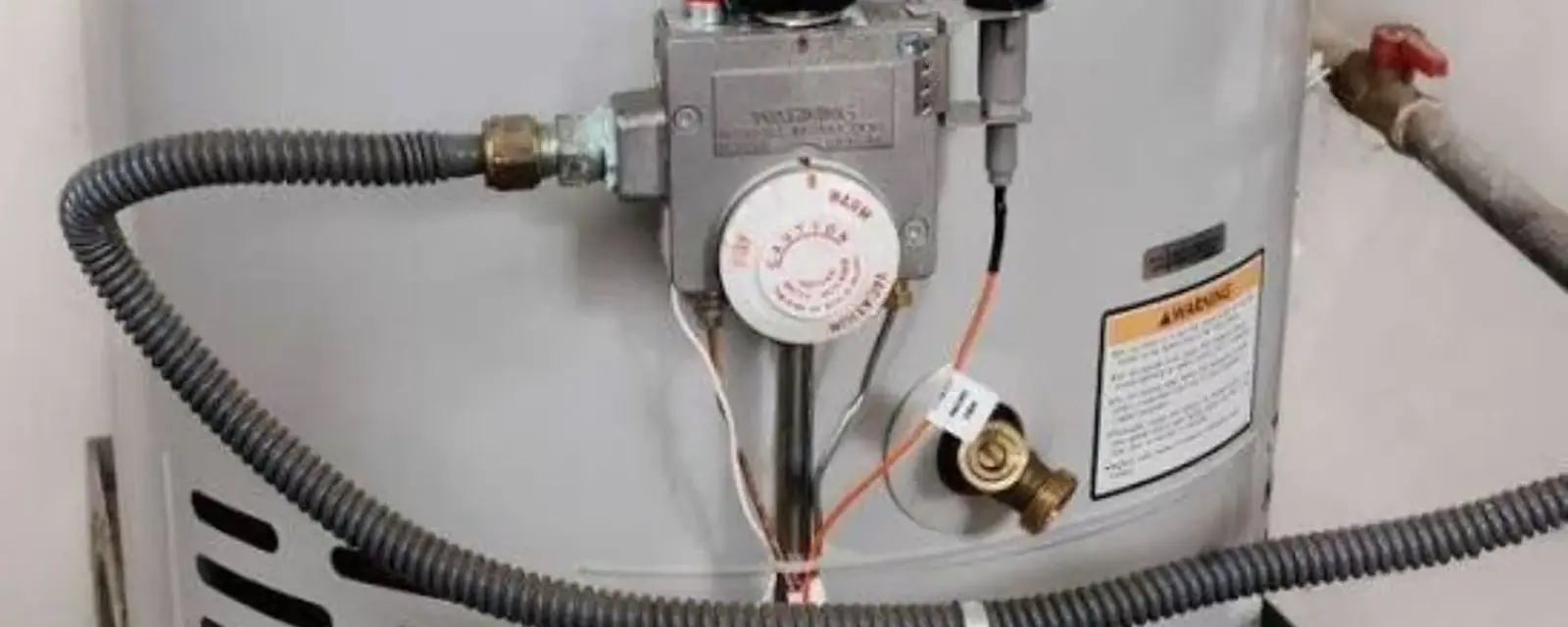
Safety First: A Gas Smell Means Leave
If you smell gas near a water heater, do not turn on lights, strike a match or use a phone inside. Leave the building at once. Call the gas utility or 911 from outside, and stay away until a professional says the home is safe.
Gas has an added odor that smells like rotten eggs. A faint smell near the heater can mean a failing connection, a blocked vent or a pilot that went out. All of them need professional attention.
Never try to repair or replace a gas line, valve or burner yourself. This guide describes the project so you know what to expect, and it deliberately skips any do-it-yourself gas steps.
Short Answer: Hire a Licensed Plumber for the Swap
A gas water heater has four connections. Cold water goes in, hot water comes out, gas feeds the burner, and a vent carries exhaust outside. A mistake on the gas or vent connection can cause a fire, a gas leak or carbon monoxide inside the house.
That is why the swap belongs to a licensed professional. Georgia requires plumbing contractors to be licensed, and you can look up any plumber in the state's free GOALS search before you hire.
The remaining sections cover how to know it is time, what the visit includes and how to prepare. They will help you ask good questions and notice if a quote leaves out something important.
Signs the Heater Is Near the End
Heaters rarely fail without warning. Watch for these signs, and call a plumber early.
- Water pooling around the base of the tank.
- Rust-colored hot water.
- Rumbling or popping noises from sediment.
- Lukewarm water that never reaches the temperature you set.
- Scorch marks, soot or a burner flame that looks yellow or uneven.
- A tank that is old and now needs repeated repairs.
A leak at the tank body is the clearest sign. Tanks that leak from the shell cannot be repaired, and a water heater replacement is the only fix. Other symptoms may point to a part that can be replaced, so a plumber should inspect before you buy a new tank.
Is It the Heater or the Water Supply?
Hot water problems sometimes look like a utility issue. Gwinnett County Department of Water Resources does not control the temperature of the water inside your home, so a hot water complaint is a plumbing problem.
Start by checking whether cold water pressure is normal. If it is, the problem is almost always inside the house. Next, check whether the tank is warm at the top and cold at the bottom. A thermostat, a heating part or a failed gas control may be at fault.
Our water heater repair service can diagnose these causes on the first visit, and the plumber will tell you honestly if the unit is worth repairing.
Gas water heater installation is governed by the 2024 International Plumbing Code (IPC) and the 2024 International Fuel Gas Code, both adopted as Georgia state minimums effective January 1, 2025. That is why gas and venting work needs a licensed plumber.
No hot water or a leaking tank?
Call the 24/7 line. A plumber can inspect the heater and book the first truck available.
What a Proper Replacement Visit Includes
- Inspect the existing setup. The plumber checks the gas line, the vent, the drain pan and the water connections.
- Shut off gas and water. Both supplies are closed and the tank is drained.
- Remove the old heater. The tank is disconnected and carried out.
- Set and connect the new unit. Water lines, gas connection and vent are attached to the new tank.
- Install safety parts. A temperature and pressure relief valve and a discharge pipe go on, and an expansion tank is added where the system calls for one.
- Test for leaks. Gas joints are checked with a leak test solution or a detector, and water joints are checked under pressure.
- Light and verify. The plumber lights the burner, checks the flame and confirms the vent draws properly.
Ask the plumber to show you the shutoff valve locations at the end of the visit. You will want to know them before an emergency.
Venting and Carbon Monoxide
A gas heater makes exhaust, including carbon monoxide, and the vent has to carry it outside. A vent with a bad slope, a loose joint or a blockage can spill exhaust into the house.
Carbon monoxide has no smell. A working detector near bedrooms is the best defense, and it belongs in any home with gas appliances.
Ask your plumber to confirm the vent is sound and the heater drafts properly. If anyone in the home has headaches, nausea or dizziness that clears when they leave, get outside and call 911. Homes in Norcross and Duluth face the same safety rule, and our dispatch line covers both towns.
How to Prepare Before the Plumber Arrives
A little preparation shortens the visit and protects your belongings.
- Clear a path from the front door to the heater.
- Move stored items away from the heater by several feet.
- Locate the main water valve and the heater's shutoff valve.
- Note the heater's age and size from its label, if you can read it.
- Plan to be without hot water for part of the day.
- Keep children and pets away from the work area.
Ask whether the plumber will haul away the old tank and handle the permit question with the Peachtree Corners Building Division. Both are normal parts of a complete job.
Gas Water Heater Questions From Peachtree Corners Homes
Permit rules vary by job. The Peachtree Corners Building Division issues trade permits and enforces the Georgia State Plumbing Code, but it does not publish a simple list. Ask the division before work starts, and let your plumber confirm.
We advise against it. The job involves a gas connection and a vent, and mistakes there can cause fire, gas leaks or carbon monoxide exposure. Georgia requires plumbing contractors to be licensed, so hire a licensed plumber.
Leave the building and call Atlanta Gas Light's 24-hour emergency line at 877.427.4321 or call 911 from outside. Do not call a plumber first, and do not operate switches or phones inside.
Many replacements are finished in a day, though access, vent changes and code updates can add time. The plumber will give you an estimate after seeing the setup.
It depends on your gas line size, vent route and hot water use. A plumber can explain the changes a tankless unit requires and compare them with a new tank.
Close the cold water supply valve above the heater and call a plumber. If you smell gas, leave the building and call from outside. A leaking tank cannot be repaired from the outside.