
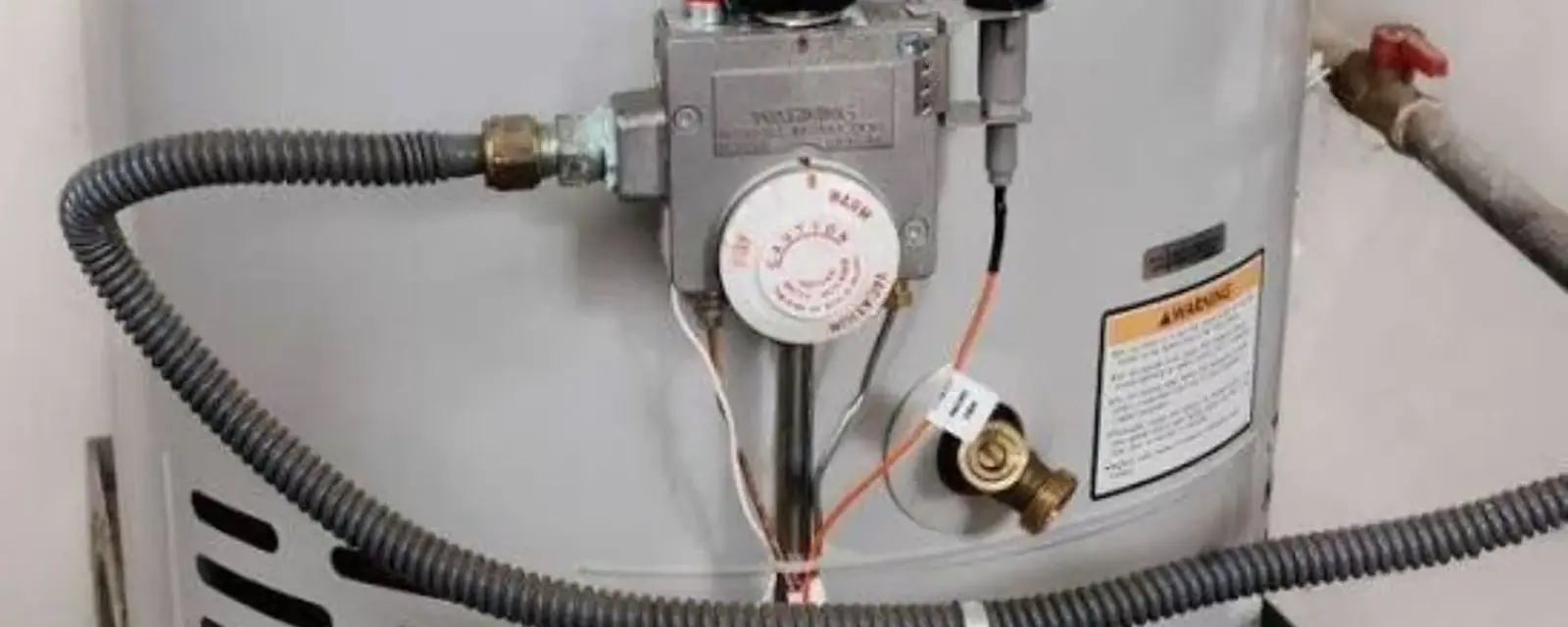
Failed Tank? Make It Safe in Five Steps
Do these before the plumber arrives.
- Cut power or gas to the heater: Switch off the breaker for electric units. Turn the gas control to off for gas units.
- Shut the cold water valve above the tank: This stops the supply feeding the leak.
- Open a hot tap upstairs: This lets air into the lines so the tank drains more easily.
- Protect the floor: Towels, a wet vacuum and a pan slow the damage.
- Call (770) 214-4545: Dispatch is open every hour of every day.
If you smell gas, leave the building and call Atlanta Gas Light at 877.427.4321 or 911 from outside before you call a plumber.
Five Questions That Settle Repair Versus Replace
We ask these before we recommend a new heater.
- Is the tank itself leaking?Water through the steel cannot be repaired. Replacement is the only fix.
- How old is the heater?The data plate carries the manufacture date. An older unit is a weaker repair investment.
- How many parts have failed?One part is a repair. Several parts at once suggest broad wear.
- Has hot water been unreliable for a long time?Repeated service calls add up, and a new heater ends the cycle.
- Does your household use more hot water now?A larger tank or a tankless unit may suit the new demand better.
Tank, Tankless or Heat Pump: Choosing for Your Home
Each type fits a different house, a different budget and a different way of using hot water.
A standard tank is the simplest swap and usually the fastest to install, while a tankless unit saves floor space and heats on demand but needs the right gas supply and venting. A heat pump heater uses far less electricity, though it needs room and the right air temperature to do so.
| Type | Best fit | Watch for |
|---|---|---|
| Gas tank. | Homes with gas service and an existing flue. | Venting condition and gas connection. |
| Electric tank. | Homes without gas. | Electrical circuit capacity. |
| Tankless. | Tight spaces or large hot water demand. | Gas line size and venting changes. |
| Heat pump. | Homes with open utility space. | Needs about 1,000 cubic feet of air and a 40 to 90 degree location. |
You can read more about the on-demand option on our tankless water heater page.
What a Replacement Visit Includes
The visit covers more than lifting a tank into place.
- Drain and disconnect the old heater: We shut off the supply and drain the tank into a safe discharge before we unhook anything.
- Haul the old unit away: It leaves with us, so you do not have to arrange a disposal trip.
- Set and connect the new heater: That means new flexible connectors, a properly piped relief valve and a drain pan where the space calls for one.
- Check venting or electrical: Gas units get a flue check and a leak test at every joint. Electric units get a circuit check.
- Fill, purge and test: We bring the tank to temperature and confirm hot water at the fixtures.
Tank failed overnight?
Call the 24/7 line. We will stop the water and talk through a same-day replacement.
What Moves the Price of a Replacement
Equipment and conditions drive the total.
- Heater type and sizeA larger capacity or a tankless unit costs more than a basic tank of the same fuel.
- Code-required partsRelief valve piping, expansion tanks and venting changes add to the parts list.
- Location and accessA first-floor garage is simple. An attic or tight closet needs more labor.
- Hour of the callEmergency swaps at night or on weekends carry after-hours labor.
We quote the total in plain terms before work starts, and we flag anything that could change it.
Space, Venting and Permit Questions
Local rules and the room itself shape the plan.
Georgia's state minimum plumbing code is the International Plumbing Code, 2024 edition, in effect since January 1, 2025. Local governments can add rules on top of it. Peachtree Corners enforces the state plumbing code through its Building Division at City Hall, and it does not publish a list of jobs that need a permit. Permit rules vary by job, so ask the Building Division at 678-691-1200 before work begins and we will coordinate with what they require.
Space matters too. A heat pump unit needs about 1,000 cubic feet of surrounding air. A gas tank needs a clear flue path. A closet in an older townhome or condo may limit which type fits, so we measure before we promise a model. If you live near the western edge in a Dunwoody-style neighborhood, our Dunwoody service page shows how we handle swaps across the county line.
After the Swap: Keep the New Heater Healthy
A little care adds years.
Flush the tank once a year to clear sediment, and test the relief valve lever by hand every year with a bucket under the discharge pipe. Keep the temperature setting at a moderate level, because hotter water wears the tank faster and raises the risk of scalds.
If a problem appears later, our water heater repair team can diagnose it fast, and the written record of your install helps them work quickly.
Water Heater Replacement Questions in Peachtree Corners
Yes. The line at (770) 214-4545 is open around the clock. Dispatch gives you the earliest window when you call, and the plumber will tell you what is possible the same day.
A like-for-like tank swap is usually a half-day job. Changing fuel type or moving to tankless takes longer because of gas, venting or electrical work.
It depends on your gas supply, venting and hot water demand. A tankless unit saves space but needs a correct gas line and venting. We check both before recommending it.
Permit rules vary by job, so ask the Peachtree Corners Building Division. We follow the state plumbing code and coordinate with the local requirements on every install.
We disconnect it, drain it and haul it away as part of the visit.
Often yes, but it changes the piping, venting and sometimes the electrical work. We assess the new location and quote the change separately before starting.