
What We Install
Anything that carries water in or out of your home.
Fixtures
Sinks, toilets, tubs, showers and faucets are set, connected and tested.
Supply lines
New hot and cold lines are run to every fixture with proper shutoffs.
Drain and vent lines
Drains slope correctly and vents let the system breathe.
Appliance hookups
Washers, dishwashers, ice makers and water heaters are connected.
Outdoor lines
Hose bibs, irrigation connections and utility sinks are added where needed.
Planning Before the Walls Open
Good plumbing starts with a clear plan.
The best time to talk to a plumber is before the drywall comes down. Fixture locations drive pipe routes, and routes drive cost. Moving a toilet a few feet may require new drain slopes and a new vent path.
Bring your plan, your fixture choices and any photos of the existing space, and we check whether the current lines can handle the new load. If you plan to add a bathroom, we look at the existing drain size and the main line, since an undersized drain is the most common surprise on an addition.
When a remodel touches the water heater, our water heater installation crews can coordinate so the work happens once.
Permits and Code Requirements
Permit rules vary, so ask the building division early.
Georgia's state minimum plumbing code is the 2024 International Plumbing Code, in effect since January 1, 2025, according to the Georgia Department of Community Affairs. Local rules add requirements on top of that.
Peachtree Corners handles building and trade permits through its Building Division at City Hall, 310 Technology Parkway, 678-691-1200. Permit rules vary by job, so call them before work begins. We tell you at the quote what we expect and help you check.
Doing plumbing work without a required permit can cause problems at sale or insurance time. Ask before you start and keep the paperwork.
Remodel in the works?
Call us and a plumber will review your plan and explain what the plumbing needs.
Bathroom and Kitchen Projects
Most installations happen inside these two rooms.
A bathroom remodel usually moves the vanity, the toilet or the shower valve, and each move changes the drain and vent layout. We confirm the slope of every drain, the size of every vent and the location of every shutoff before the new walls go up, because those details are nearly impossible to fix after tile is set.
Kitchen projects often add a dishwasher, an ice maker line or a second sink. Each addition needs its own supply and drain path, and many older kitchens lack a proper air gap or vent for the new appliance. We check those details at the walk-through and put them in the quote so the plan matches the real work.
If your project includes a new water heater, a tankless upgrade or a larger gas line, tell us at the start so one plan covers everything.
How an Installation Job Runs
Each project follows a similar path.
- Walk-through and quote. The plumber walks the space and checks your plan against the existing lines.
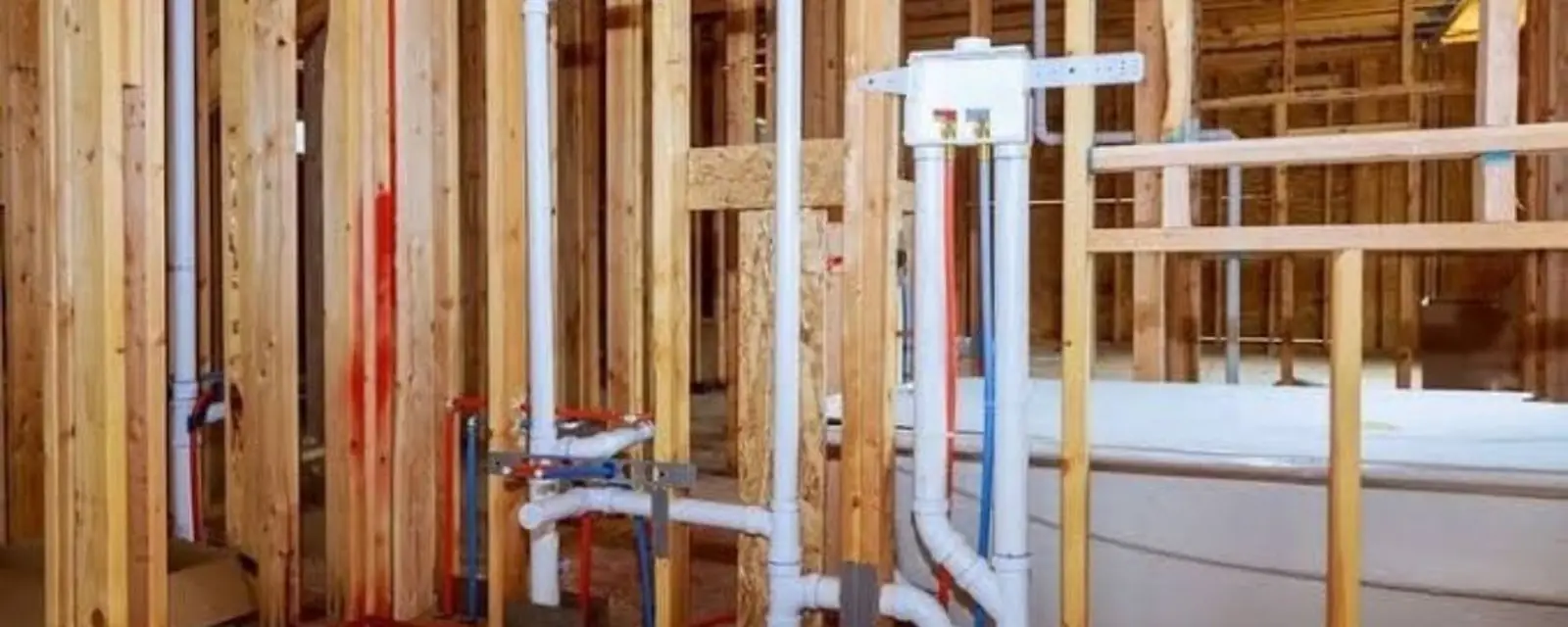
- Rough-in. Supply and drain lines are placed before walls close.
- Inspection if required. If your job needs a permit, rough-in is inspected before drywall.
- Set fixtures. Toilets, sinks, tubs and faucets are installed and connected.
- Test and walk-through. We run every fixture and show you the shutoffs.
Homes Across Peachtree Corners
The mix of houses and apartments shapes the work.
About 59 percent of Peachtree Corners homes are single-family, and about 21 percent sit in buildings with two to nine units. The rest are in larger buildings. Single-family remodels often add a bath or open a kitchen, while multifamily work usually focuses on fixture replacement.
Older homes sometimes hide surprises behind the wall. Galvanized lines, undersized drains or unvented fixtures are common in houses from the 1970s. We look for those before quoting so the price reflects the real job.
If you find that the existing lines are failing, a conversation about repiping belongs in the same visit.
What Moves the Price of Installation
Your number depends on the layout.
- Fixture countMore fixtures need more lines and labor.
- Distance from existing linesLonger runs cost more in pipe and time.
- AccessOpen framing is faster than finished walls and slabs.
- Fixture selectionHigher-end fixtures may need special parts.
You hear the price before work starts, and we explain what is included.
Plumbing Installation Questions in Peachtree Corners
Permit rules vary by job, so ask the Peachtree Corners Building Division at City Hall, 310 Technology Parkway, 678-691-1200. We tell you during the quote what we expect.
Yes. Bring the model information ahead of time so we can check that it fits your plumbing. We can also recommend options.
Georgia's state minimum plumbing code is the 2024 International Plumbing Code, in effect since January 1, 2025. Local rules may add requirements.
Often yes, depending on the drain and vent options near the new location. A plumber looks at the existing lines before giving a price.
A single fixture may take a few hours. A new bathroom takes several days, including rough-in and inspection if one is required.
Yes. The 24/7 line at (770) 214-4545 is open around the clock. If something fails during a project, call and dispatch finds the earliest window.