
What a Camera Inspection Shows
The camera sees what no one can from the surface, and that makes every later decision easier.
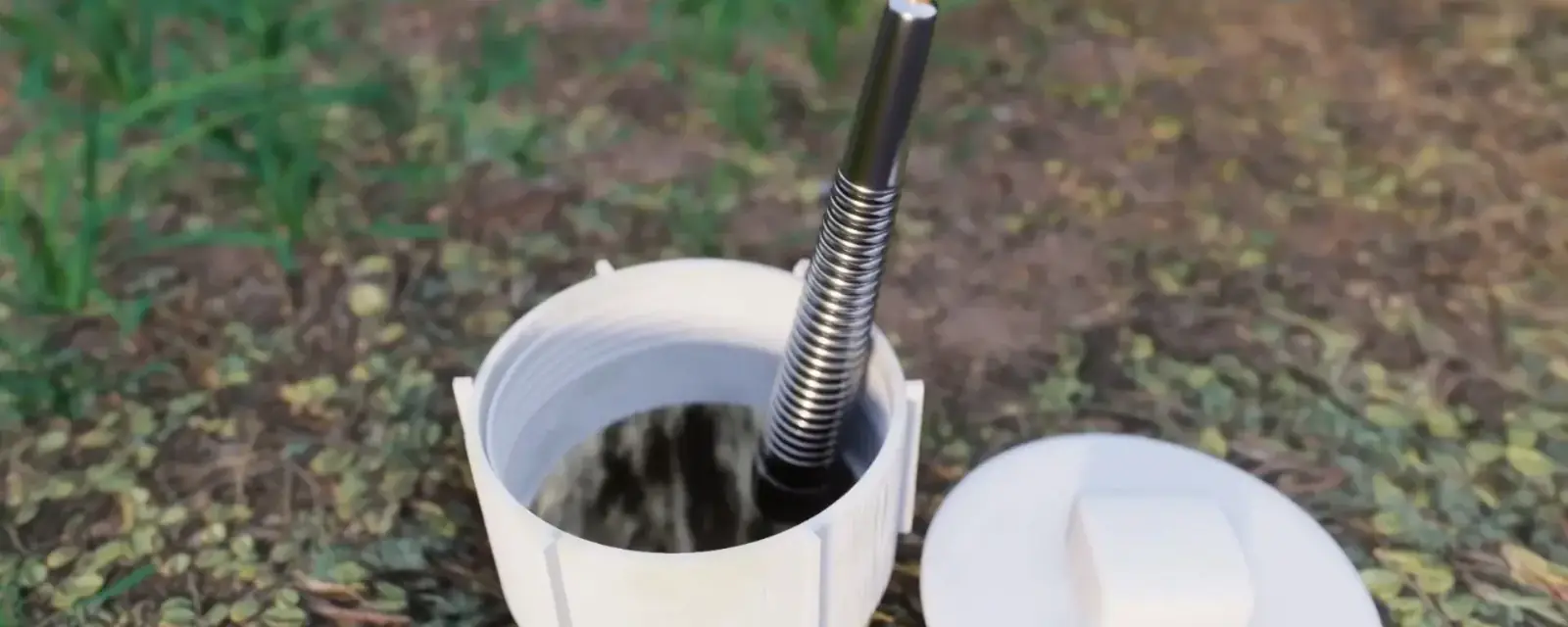
A sewer inspection uses a small waterproof camera on a flexible cable, which we feed into the line through a cleanout while we watch a live screen. We note the pipe material, joints, slope and anything unusual, and we record the run.
Typical findings include tree roots at joints, grease buildup, cracked or offset pipe, bellies where water pools, collapsed sections and the exact distance to each problem, and a locator marks that distance on the surface so a repair can be planned without guesswork.
The footage gives you proof that you can share with a county inspector, an insurer or a home buyer. It also lets you compare the line after a repair with the line before, so you can see the work was done.
When to Schedule an Inspection
Several situations make a camera look worthwhile before you spend money on anything else.
- Repeated backupsIf clearing the line only helps briefly, the cause may be damage or roots.
- Buying a homeA sewer scope before closing reveals problems the seller may not know about.
- Before landscaping or a remodelKnow where the line runs and what shape it is in before digging.
- After a drain cleaningA look afterward confirms the pipe is clean and shows any damage.
- Aging homesOlder pipe materials may be near the end of their service life.
How Our Inspection Works
Each step is simple, and you see the results on the screen as we go.
- Find the access point: We use an existing cleanout or a fixture opening.
- Run the camera: We work along the line toward the main and note every defect.
- Locate each issue: A locator marks depth and position on the surface.
- Review the footage with you: We show you the screen and explain what each finding means.
- Give you the recording: You keep the footage for your records.
A camera report gives you facts to compare against Georgia's state minimum plumbing code, which uses the 2024 International Plumbing Code (IPC) as its base. Keep the footage, because it helps with any later repair decision.
Book a camera inspection
Call the line and we will schedule a visit or answer questions on the phone.
How to Read the Results
Not every defect needs repair right away, and the footage helps you set priorities.
| Finding | What it means | Typical next step |
|---|---|---|
| Light root intrusion. | Roots at a joint. | Cut roots and plan monitoring. |
| Grease or scale coating. | Narrowed pipe bore. | Hydro jetting. |
| Offset joint. | Pipe sections out of line. | Spot repair if it traps debris. |
| Belly in the line. | A low spot that holds water. | Repair or replace the section. |
| Crack or collapse. | Structural failure. | Repair, lining or replacement. |
If the footage shows heavy buildup, our hydro jetting service restores the pipe. If it shows structural damage, sewer line repair is the next step.
Inspections and the Gwinnett County Split
Footage helps most when ownership of the problem is in question.
Gwinnett County Department of Water Resources owns the sewer main and the lateral inside the public right-of-way. The homeowner owns the rest of the lateral. If the camera shows a problem in the county section, the footage supports a request for a county inspection before you pay for repairs. The county asks you to request that inspection if you want to seek reimbursement, and the wait is usually two to three hours.
If the problem sits on your side, the recording tells the plumber exactly what to fix. That avoids paying for exploratory digging and keeps the repair focused on the real failure.
What Changes the Price of an Inspection
Access to the line and the length of the run are the biggest factors in the price.
- Access pointA cleanout makes the job simple. Without one, we may need to pull a toilet.
- Line lengthA long run takes more time than a short one.
- BlockagesA clogged line may need clearing before the camera can pass.
- Report needsA written summary for a sale or insurer adds time.
You hear the price before the camera goes in, and the recording is yours to keep.
Inspections Across the Peachtree Corners Area
Homes of nearly every age benefit from a camera look at some point.
The city's 2018 long-range plan counts 16,137 housing units, and about 59 percent are single-family. Many were built in the 1970s and 1980s as Technology Park grew, so their sewer laterals may be over forty years old. A camera look is useful when you buy, sell or plan major work.
Our crews also scope lines for homes in Johns Creek and the other towns we serve. Ask for an inspection when you book other work and we will plan the visit together.
Sewer Inspection Questions in Peachtree Corners
Most inspections take under an hour once the camera is in the line. Long runs, blockages or heavy buildup can add time.
A cleanout makes it simple. If your home has none, we can often access the line through a toilet or another fixture opening, and we can discuss installing a cleanout.
It shows where the problem sits. Gwinnett County owns the main and the lateral inside the right-of-way, and you own the rest. The footage helps show which section is damaged.
It is a smart step. Problems under the yard are expensive to fix, and the camera shows them before you sign.
Yes. The 24/7 line at (770) 214-4545 is open every day, and an emergency backup often starts with a camera run.
Yes. We give you the recording so you can share it with a buyer, an insurer or the county.