
What CIPP Lining Is
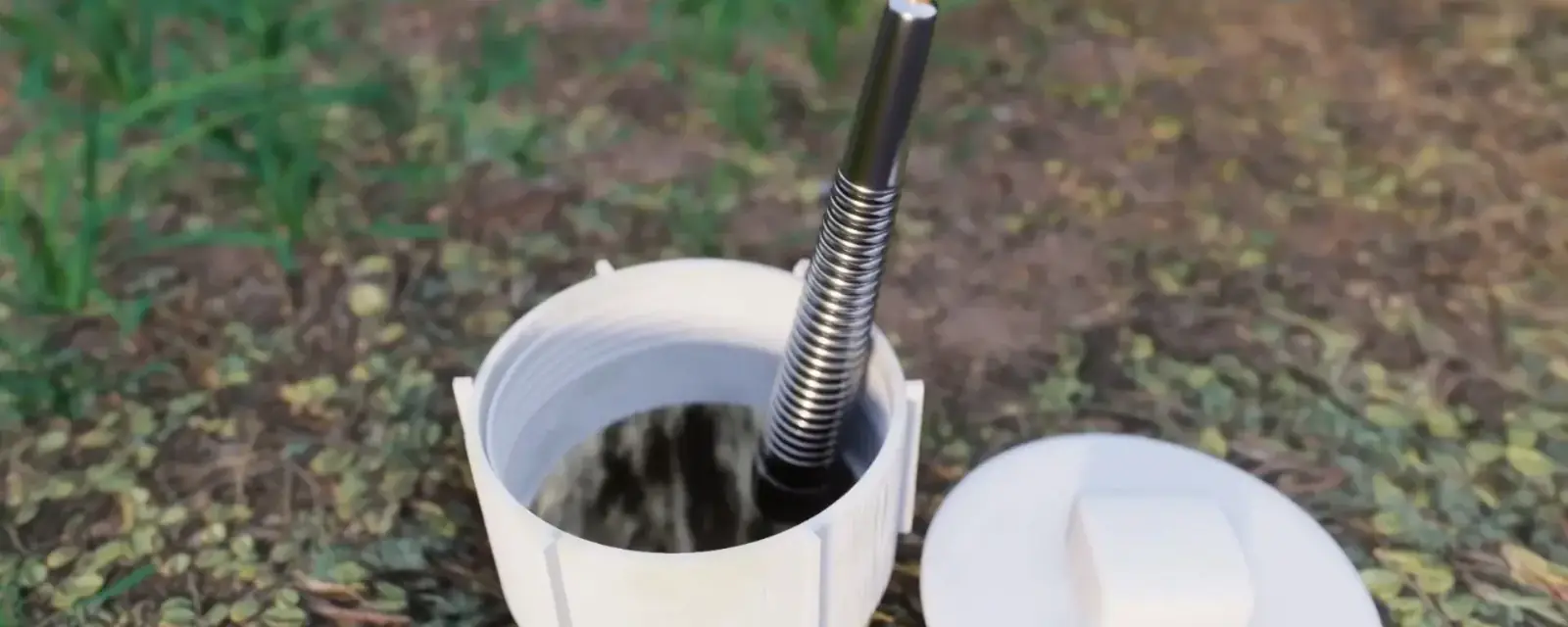
CIPP lining repairs a sewer pipe from the inside. A flexible felt tube is soaked with resin and inserted into the existing pipe. Once it is in position, it is inflated so it presses against the old wall. The resin then hardens, forming a smooth new pipe.
The old pipe stays in the ground. The new liner seals cracks, gaps and small holes, and it blocks roots from entering through joints. That makes it a useful option for older lines that are cracked or leaking but still hold their shape.
Because it needs only small access points, lining can avoid large trenches through lawns, driveways and landscaping.
The Process From Inspection to Cleanup
Every lining job starts with preparation. The pipe must be clean and clear so the liner bonds correctly.
- Camera inspection. The plumber records the pipe to find damage, bends and connections.
- Cleaning. Roots, scale and debris are removed by cutting or jetting.
- Liner insertion. The resin-saturated liner is pulled or pushed into place.
- Curing. Heat, steam or ultraviolet light hardens the resin.
- Reopening connections. A robotic cutter opens branch lines that the liner covered.
- Final inspection. A camera confirms the liner is smooth and connected correctly.
Each step depends on the one before it, so rushing the cleaning or curing stage leads to problems.
When Lining Works and When It Does Not
Lining suits pipes with cracks, small holes, root intrusion and leaking joints. It works best when the pipe is still round and follows a consistent path.
It is not suited for severely collapsed pipe, major offsets or large bellies that hold water. In those cases, the liner cannot form correctly or the underlying problem remains. Open repair or replacement may be needed.
| Pipe condition | Lining fit | Alternative |
|---|---|---|
| Cracks or leaking joints. | Often a good fit. | Spot dig repair. |
| Root intrusion. | Fits after roots are cleared. | Replace if the pipe is crushed. |
| Collapsed section. | Usually not a fit. | Dig and replace. |
| Large belly holding water. | Poor fit. | Excavate and regrade. |
| Misaligned joints. | Depends on the offset size. | Dig at the offset. |
Only a camera inspection can tell which category your pipe falls into.
Benefits and Trade-Offs
The main benefit is less digging. Lawns, driveways, sidewalks and landscaping stay mostly intact. The liner also creates a smooth interior that resists root entry at the joints.
There are trade-offs. A liner slightly reduces the interior diameter of the pipe. Cleanup and curing take time and need dry conditions. Lining is also specialized work, so qualified crews and equipment are required.
Not every plumber offers lining, and some will recommend replacement if the pipe condition calls for it. Ask your plumber to show you the camera footage and explain why they chose one approach over another. A good recommendation is based on what the pipe looks like inside.
Whether a lined pipe satisfies local inspection depends on how the work is permitted. Georgia's state minimum plumbing code is based on the 2024 International Plumbing Code (IPC), so ask the permitting office what it expects for lining.
Wondering if lining fits your pipe?
Call the line and a plumber will inspect the pipe by camera and explain your options.
Questions to Ask Before You Agree
A clear conversation protects you from surprises. Bring these questions to any quote discussion.
- Can I see the camera footage? The recording should show the damage and the reason lining fits.
- What material and method are used? Ask about resin type and curing method.
- How are branch lines reopened? Connections must be cut cleanly.
- What happens if the liner fails to cure? Ask about remedies.
- Who handles permits? Rules vary, so ask the Peachtree Corners Building Division what applies.
Our sewer inspection service provides the footage you need to compare options.
Signs Your Sewer Line May Need Attention
Because sewer lines are buried, problems often show up first as symptoms inside the house. Knowing those symptoms helps you schedule an inspection before a small crack turns into a serious failure.
Frequent clogs in several drains are a warning, especially when cleaning only helps for a short time. Gurgling sounds, slow drains and sewage odors near fixtures or in the yard are also common signs. A patch of unusually green or soggy lawn above the line can mean a leak in the pipe.
Tree roots are a frequent cause. They enter through tiny gaps and expand over time. Older homes with clay or cast iron lines are more likely to have cracks and loose joints, though newer pipes can fail too.
If you notice these signs, ask a plumber to run a camera through the line. The video shows the pipe wall, the joints and any damage. It also gives you the evidence you need to decide between cleaning, lining and replacement. A recording that you can watch yourself makes a repair conversation far more concrete than a verbal description.
What Happens to Branch Connections and Cleanouts
A sewer lateral rarely runs in one unbroken line. Branch pipes join it, and cleanouts give access along the way. After a liner is installed, each branch opening must be restored so that wastewater can flow in from the house.
A robotic cutter travels inside the lined pipe, finds each opening on the camera and cuts through the liner at that spot. The crew then inspects each opening to confirm that the edges are clean and sealed. If a connection is missed or cut badly, drains can back up, so the final camera check is not optional.
Ask where the cleanouts are and whether the crew will leave them accessible. A good job ends with a recording of the whole run, clear access points and a written description of what was done.
Comparing Lining With Digging
Digging lets the plumber see and replace the whole pipe. It also allows fixing grade problems. The drawback is the disruption to your yard and any structures above the pipe.
Lining is less invasive but depends on the pipe being suitable. In some cases, a combination works best. A short dig may fix an offset while lining addresses the rest of the run.
Do not decide on price alone. Ask what each option solves and what it leaves behind. The better choice is the one that fits the condition of your specific pipe.
Pipe Lining Questions from Peachtree Corners
It can, depending on pipe condition. Older cast iron and clay lines may qualify if they are still round. A camera inspection decides.
It seals joints where roots enter, but roots must be cleared first. Roots near the lined section may still press against it.
Not always. The answer depends on access, pipe length and condition. Compare written scopes from more than one plumber.
Yes. Our Norcross service area is covered by the same dispatch line, and a plumber will arrive with a camera.
Yes. See our Dunwoody plumber page for service details and call the line to book an inspection.